
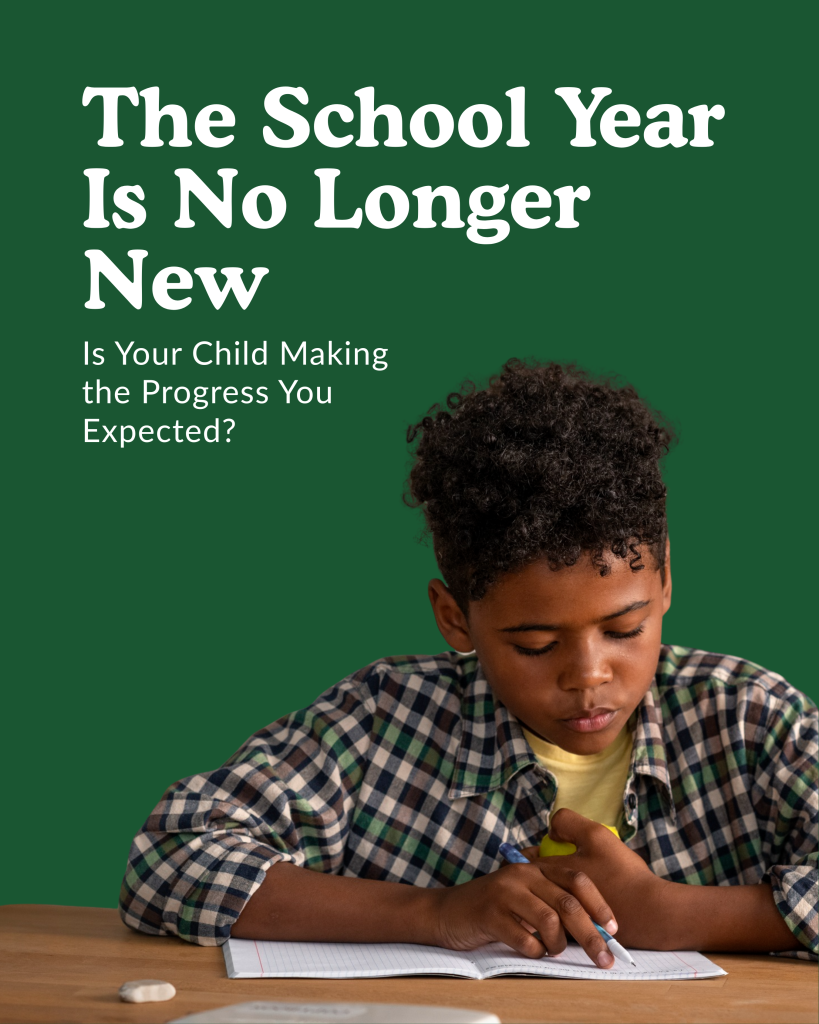
Is Your Child Making the Progress You Expected?
The excitement of a new school year may have settled, daily routines may have become familiar, and students are gradually finding their rhythm. By November, children have had some time to adjust to their classes, teachers, subjects, and academic expectations.
This makes it a good time for parents to pause and consider an important question: Is your child making the progress you expected?
Academic progress is not always reflected in examination results alone. A child may be performing well in class but struggling with confidence, organisation, or independent learning. Another may be putting in considerable effort but still finding certain subjects difficult.
Understanding how your child is progressing requires looking beyond the grades.
Look Beyond Examination Results
Test scores and report cards provide useful information, but they do not always tell the complete story.
Pay attention to how your child approaches learning. Are they becoming more confident when answering questions? Can they explain concepts they have been taught? Are they completing assignments with less supervision? Have they developed an interest in any new subject?
These observations can help you understand whether your child is making meaningful progress.
A good result is worth celebrating, but so is improvement in understanding, effort, and independence.
Identify Learning Gaps Early
Sometimes, a child struggles with a new topic because they have not fully understood an earlier concept.
For example, a student who finds fractions difficult may also struggle with more advanced mathematical operations. Similarly, a child who has difficulty understanding a reading passage may need additional support with vocabulary, comprehension, or identifying key ideas.
Rather than assuming that a child is not trying hard enough, parents should consider whether there are foundational skills that need attention.
Identifying these gaps early makes it easier to provide appropriate support before the difficulties become more challenging.
Have Meaningful Conversations About School
Asking your child, “How was school today?” may not always produce much information.
Try asking more specific questions:
- What was the most interesting thing you learned today?
- Was there anything you found difficult?
- Which subject are you enjoying the most?
- Is there anything you wish your teacher would explain again?
- How confident do you feel about your upcoming assessments?
These questions encourage children to reflect on their learning and communicate their concerns.
It is also important to listen without immediately criticising or comparing their performance with that of other children.
Review Study Habits and Routines
By this point in the term, you may have a better understanding of whether your child’s current study routine is working.
Consider whether they have enough time for homework, revision, rest, and other activities. Are they frequently rushing assignments at the last minute? Do they understand how to organise their tasks? Are they spending time studying without actually understanding the material?
A consistent routine can help children manage their responsibilities more effectively. However, the routine should be realistic and appropriate for their age and individual needs.
Know When Additional Support May Be Necessary
If your child continues to struggle despite consistent effort, it may be time to explore additional academic support.
Personalised tutoring can help identify areas of difficulty, revisit foundational concepts, and provide opportunities for guided practice. It can also give children the confidence to ask questions and learn at a pace that supports their understanding.
The earlier a learning difficulty is recognised, the more opportunities there are to address it.
Final Thoughts
The school year may no longer be new, but there is still plenty of time to make meaningful progress.
November is an opportunity to reflect on what is working, recognise areas that need improvement, and make adjustments where necessary.
Every child develops at a different pace. What matters is that they are supported, encouraged, and given the right opportunities to grow.
At Soundmind, we believe that understanding a child’s individual learning needs is an important step towards helping them achieve their academic potential.


